How to File a Roof Storm Damage Insurance Claim in Washington State (Step-by-Step)
What Qualifies as Storm Damage to Your Roof?
When severe weather hits Whatcom County, your roof is your home's first line of defense. But what exactly qualifies as a roof storm damage insurance claim in Washington State? Generally, homeowner's insurance policies cover sudden, accidental damage caused by extreme weather events.
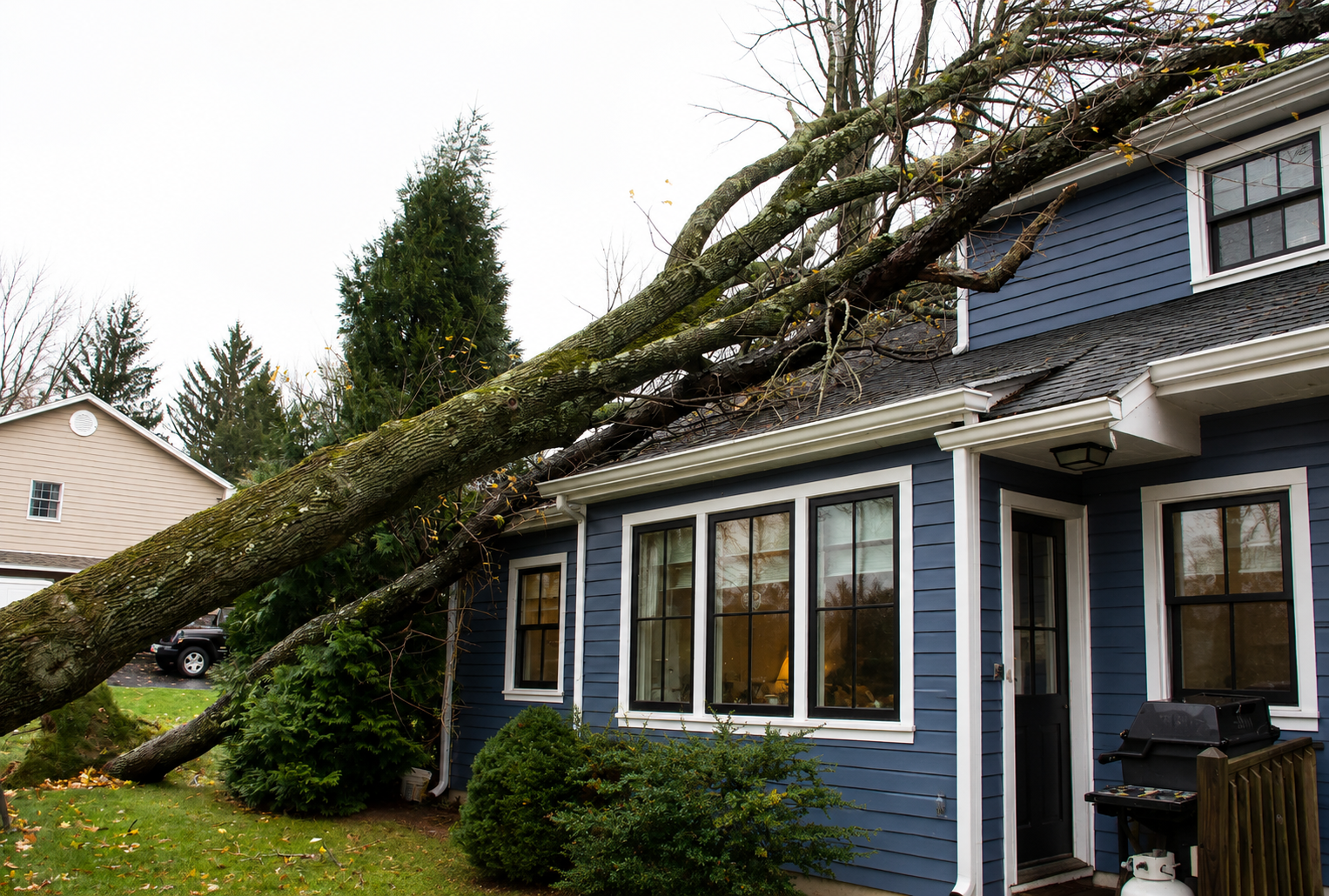
This typically includes high wind damage that tears off shingles, hail impacts that bruise or crack roofing materials, and structural damage from fallen trees or heavy branches. Secondary damage, such as interior leaks resulting from a storm-damaged roof, is also usually covered. However, it's crucial to distinguish storm damage from normal wear and tear, which is not covered.
Step 1: Document Everything Immediately
The moment it is safe to do so after a storm, begin documenting the damage. Take clear, well-lit photos and videos from ground level. Focus on visible issues like missing shingles, dented gutters, or debris on the roof. Do not climb onto a damaged roof—it is extremely dangerous.
Make sure your documentation includes date and time stamps. It's also helpful to save local weather reports or news articles detailing the storm's severity. This immediate documentation forms the foundation of your insurance claim and helps prove that the damage was a direct result of the specific weather event.
Step 2: Get a Professional Inspection Before Filing
Before you call your insurance company, call a licensed roofing contractor like Whatcom Roofing Inc. for a professional inspection. Why? Because a trained roofer knows exactly what to look for and how to document damage in a way that insurance adjusters understand.
We can identify subtle damage that you might miss from the ground, such as broken shingle seals or micro-fractures. Having a professional assessment and a detailed repair estimate in hand before you file your claim strengthens your position and makes it much harder for the insurer to minimize or deny the damage.
Step 3: Contact Your Insurance Company
Once you have your professional inspection report, contact your insurance company to initiate the claim. Have your policy number, the date of the storm, and your documentation ready. Be factual and concise when describing the damage.
Frame the claim clearly: state that your home was subjected to a specific storm event and that your roof sustained damage as a result. Avoid speculating about the condition of the roof prior to the storm. Simply report the facts and inform them that a licensed contractor has already assessed the damage.
Step 4: The Adjuster's Visit — What to Expect
Your insurance company will send an adjuster to inspect the damage. It is highly recommended that you have your roofing contractor present during this visit. At Whatcom Roofing Inc., we frequently meet with adjusters on behalf of our clients in Bellingham, Ferndale, and throughout the county.
Having your contractor present ensures that the adjuster sees all the damage, including the hard-to-spot issues. We can advocate for you, explain our repair estimate, and ensure that the scope of work the adjuster approves is sufficient to restore your roof to its pre-storm condition.
Step 5: Review the Estimate and Settlement Offer
After the adjuster's visit, you will receive a settlement offer and a statement of loss. Review this carefully with your contractor. Pay attention to whether the settlement is based on Actual Cash Value (ACV) or Replacement Cost Value (RCV), as this significantly impacts your payout.
If the adjuster's estimate is lower than your contractor's estimate, don't panic. This is common. Your contractor can file a 'supplement'—a request for additional funds to cover necessary repairs that the adjuster may have missed or undervalued.
Step 6: Choose Your Contractor and Schedule the Work
With your claim approved, it's time to schedule the repairs. It is critical to choose a local, licensed, bonded, and insured contractor. After major storms, out-of-state 'storm chasers' often flood the area, offering quick fixes. Avoid them.
Local contractors like Whatcom Roofing Inc. understand Pacific Northwest building codes, use appropriate materials for our climate, and will be here to honor their warranties long after the storm chasers have left.
How Whatcom Roofing Inc. Helps With Insurance Claims
Navigating an insurance claim is stressful, but you don't have to do it alone. Whatcom Roofing Inc. offers comprehensive insurance claims assistance at no extra charge to our customers.
We perform the initial inspection, document the damage extensively, provide a detailed estimate, attend the adjuster meeting, and handle the back-and-forth paperwork. Our goal is to ensure you get the maximum coverage you're entitled to with minimal stress.
Common Reasons Insurance Claims Are Denied — and How to Avoid Them
Insurance claims are most commonly denied due to pre-existing damage, lack of maintenance, or insufficient documentation. If your roof was already failing before the storm, the insurer may deny the claim, citing 'wear and tear.'
You can avoid these issues by maintaining a record of regular roof maintenance and inspections. If you have a history of keeping your roof in good shape, it's much harder for an insurer to claim the damage was due to neglect. Always document damage immediately and rely on a professional contractor to provide the necessary evidence.
✓Key Takeaways
- •Document all damage with photos before touching anything
- •Get a professional inspection BEFORE calling your insurer — it strengthens your claim
- •Your contractor can and should be present during the adjuster's visit
- •Whatcom Roofing Inc. assists with insurance claims at no extra cost
- •Watch out for out-of-state 'storm chaser' contractors after major weather events
- •You have the right to get a second opinion if your claim is denied or underpaid
Frequently Asked Questions
How long do I have to file a roof damage insurance claim in Washington State?
Will filing a roof claim raise my homeowner's insurance rates?
What if my insurance company says my roof damage is from 'wear and tear' not storm damage?
Table of Contents

Miguel Ramos
Owner, Whatcom Roofing
Written by Miguel Ramos, owner of Whatcom Roofing Inc. — a locally owned roofing company serving all of Whatcom County, WA. License #WHATCR1754KA.