Moss on Your Roof in the Pacific Northwest: What It Does & How to Stop It
Why Is Moss So Common on Pacific Northwest Roofs?
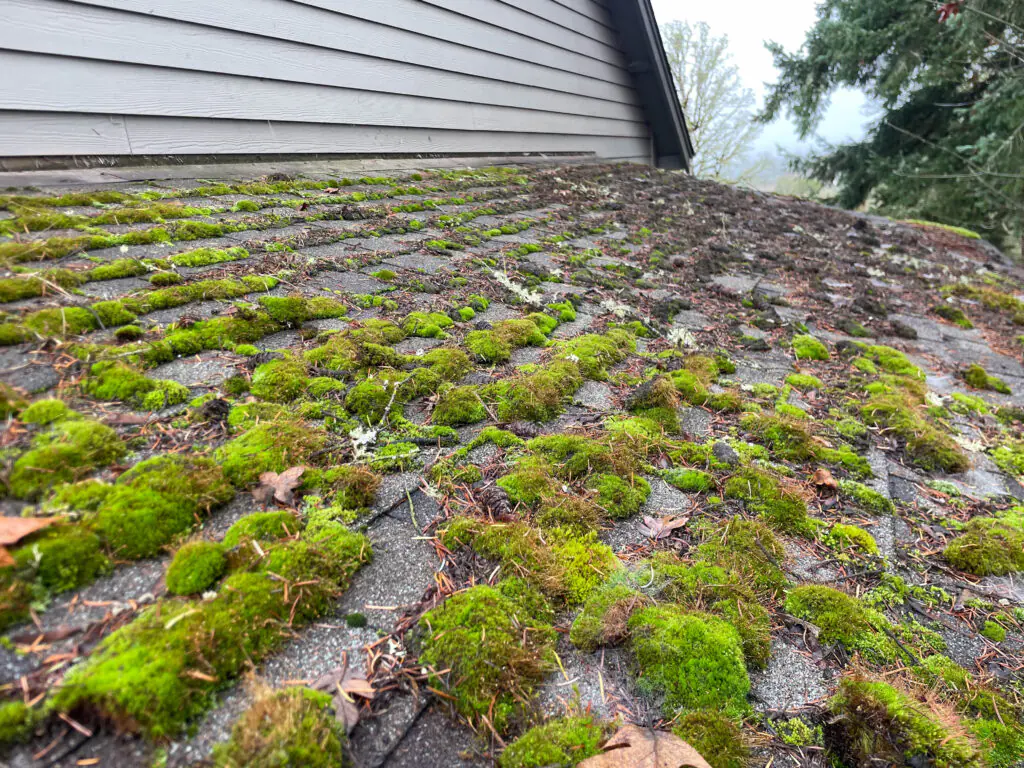
If you live in Whatcom County, you're no stranger to moss. With over 37 inches of rain annually, dense tree coverage, and frequent overcast days, our region provides the perfect environment for moss to thrive. Moss on a roof in the Pacific Northwest is incredibly common, especially in shaded neighborhoods like Sudden Valley or Bellingham's Fairhaven district.
Moss requires moisture and shade to grow. When your roof doesn't receive enough direct sunlight to dry out between rain showers, moss spores quickly take hold. Once established, moss acts like a sponge, soaking up rain and keeping your roof perpetually damp, which accelerates the deterioration of your roofing materials.
What Does Moss Actually Do to Your Roof?
Moss isn't just a cosmetic issue; it's a structural threat. As moss grows, it works its way under the edges of your asphalt shingles. This lifting action breaks the seal between shingles, making them susceptible to wind damage and allowing water to seep underneath.
Furthermore, the constant moisture retained by the moss accelerates granule loss on the shingles, exposing the underlying asphalt to UV damage. Over time, this moisture can penetrate the roof deck, leading to wood rot and potentially costly structural repairs. In many cases, allowing heavy moss growth to persist can even void your manufacturer's warranty.
DIY Moss Removal: What Works and What Damages Your Roof
Many homeowners try to tackle moss removal themselves, but DIY methods often carry significant risks. Gentle brushing with a soft-bristle broom can remove loose moss, but it won't kill the spores. One of the biggest mistakes you can make is pressure washing your roof. High-pressure water strips the protective granules right off your asphalt shingles, drastically reducing their lifespan.
While store-bought chemical treatments are available, they can be harsh on your landscaping and the local environment. Installing zinc strips can help prevent moss, but they aren't a cure for an already heavy infestation. Because of the risks of damaging your roof or injuring yourself, DIY moss removal is often more trouble than it's worth.
Professional Moss Removal: What We Do at Whatcom Roofing
At Whatcom Roofing Inc., we use a safe, non-destructive approach to moss removal. Our professional crews utilize low-pressure soft washing techniques combined with EPA-registered, plant-safe moss treatments. This method effectively kills the moss down to the roots without damaging your shingles or harming your landscaping.
During our treatment process, we also perform a comprehensive roof inspection. We check for any underlying damage the moss may have caused, such as lifted shingles or soft spots in the decking, and we can install zinc or copper strips to help prevent future growth.
How to Prevent Moss from Coming Back
Preventing moss is much easier than removing it. Start by trimming back overhanging tree branches to increase sunlight exposure and airflow on your roof. Keep your gutters clean to ensure proper drainage, as backed-up water contributes to a damp roof environment.
Installing zinc or copper strips along the ridge line of your roof is a highly effective preventative measure. When it rains, trace amounts of these metals wash down the roof, creating an environment where moss cannot grow. Regular annual inspections by a professional roofer will also help catch and treat small moss patches before they spread.
When Is Moss a Sign Your Roof Needs Replacement?
Sometimes, moss damage is too extensive for a simple cleaning. If your shingles have become brittle, cracked, or have lost a significant amount of their protective granules due to long-term moss exposure, cleaning won't restore them. If the moss has penetrated the decking and caused wood rot, a full roof replacement is often necessary.
Additionally, if your roof is over 20 years old and covered in thick moss, investing in cleaning might not be cost-effective. A professional inspection from our team can help you determine whether your roof can be saved with treatment or if it's time for a replacement.
How Often Should Whatcom County Homeowners Schedule Moss Treatment?
For most homes in Whatcom County, we recommend scheduling a professional moss treatment every 1 to 2 years, depending on your property's specific conditions. Homes in heavily wooded areas or those that receive little direct sunlight may require annual treatments to keep moss at bay.
We suggest pairing your moss treatment with an annual fall roof inspection. This proactive approach ensures your roof remains clean, healthy, and ready to protect your home through the long, wet Pacific Northwest winter.
✓Key Takeaways
- •Moss isn't just cosmetic — it lifts shingles and traps moisture that causes rot
- •Never pressure-wash asphalt shingles — it strips protective granules
- •Professional soft-wash treatment is the safest and most effective removal method
- •Zinc or copper strips along the ridge line help prevent regrowth
- •In shaded, tree-covered areas like Sudden Valley or Bellingham's Fairhaven, annual treatment is recommended
Frequently Asked Questions
Does moss actually damage my roof or is it just ugly?
Can I use bleach to kill moss on my roof?
How much does professional moss removal cost in Whatcom County?
Table of Contents
Miguel Ramos
Owner, Whatcom Roofing
Written by Miguel Ramos, owner of Whatcom Roofing Inc. — a locally owned roofing company serving all of Whatcom County, WA. License #WHATCR1754KA.